
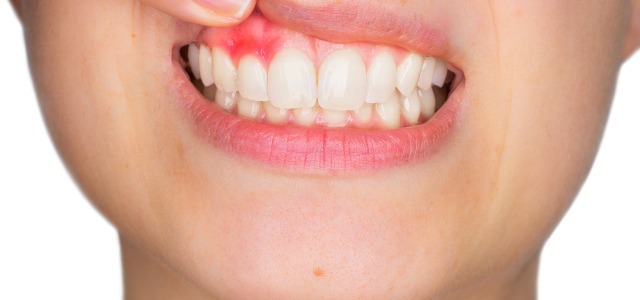
Symptoms of gum infections include:
Red gums Swelling of the gums Bleeding gums when brushing teeth If you have any of these symptoms, you should quickly visit your dentist to avoid exacerbation of the problem and treat it in its initial stages before gingivitis turns into gum disease.
After long periods of gingivitis, bacteria begin to break up the bone that links the teeth, which is called 'gum disease'. One of the most important symptoms of gum disease is the receding of the gums (erosion of the bone surrounding the teeth) causing long teeth.
What is the difference between gingivitis and gum disease:
Periodontal infections begin 10-20 days after teeth are not brushed and infect the gums and make them redder and more prone to bleeding when brushed or even when touched. In the early stages of gum infections, bacteria in the plaque layer accumulate on the teeth.
Gum infections affect the flesh cover and do not affect the bone surrounding the teeth. For this reason, gum infections are a completely treatable condition and the gums can be restored as they were before the inflammation, by following oral and dental hygiene guidelines and by checking with your dentist to remove plaque. If the treatment of gum infections is neglected in its initial stages, the problem will worsen, destroying the bone surrounding the teeth and causing so-called gum disease.
When you have gum disease, you will notice that the gums have moved away from the teeth, creating pockets or spaces between the gums and teeth, causing long teeth. Food residues accumulate in these small spaces between the teeth and gums, leading to inflammation. Your immune system fights the bacteria that cause gum infections. But the depth of the pockets that are neglected increases. Gradually, the immune system will be unable to control deep pockets and thus deepen until it reaches the bottom of the roots of the teeth, leading to its movement and therefore the need to take them off.
 Dental Problems


Leave a comment