Dental abscess is accompanied by severe, persistent and persistent pain or severe and sudden pain. Other symptoms resulting from tooth abscess include:
Bitter taste in the mouth
It smells like a bad breath.
Swelling and redness of the gums
Fever
Pain when chewing
Dental allergy against cold or hot beverages or foods
Swelling of the neck glands
Discomfort, anxiety, general discomfort, or fatigue
Swelling of some areas of the upper or lower jaw
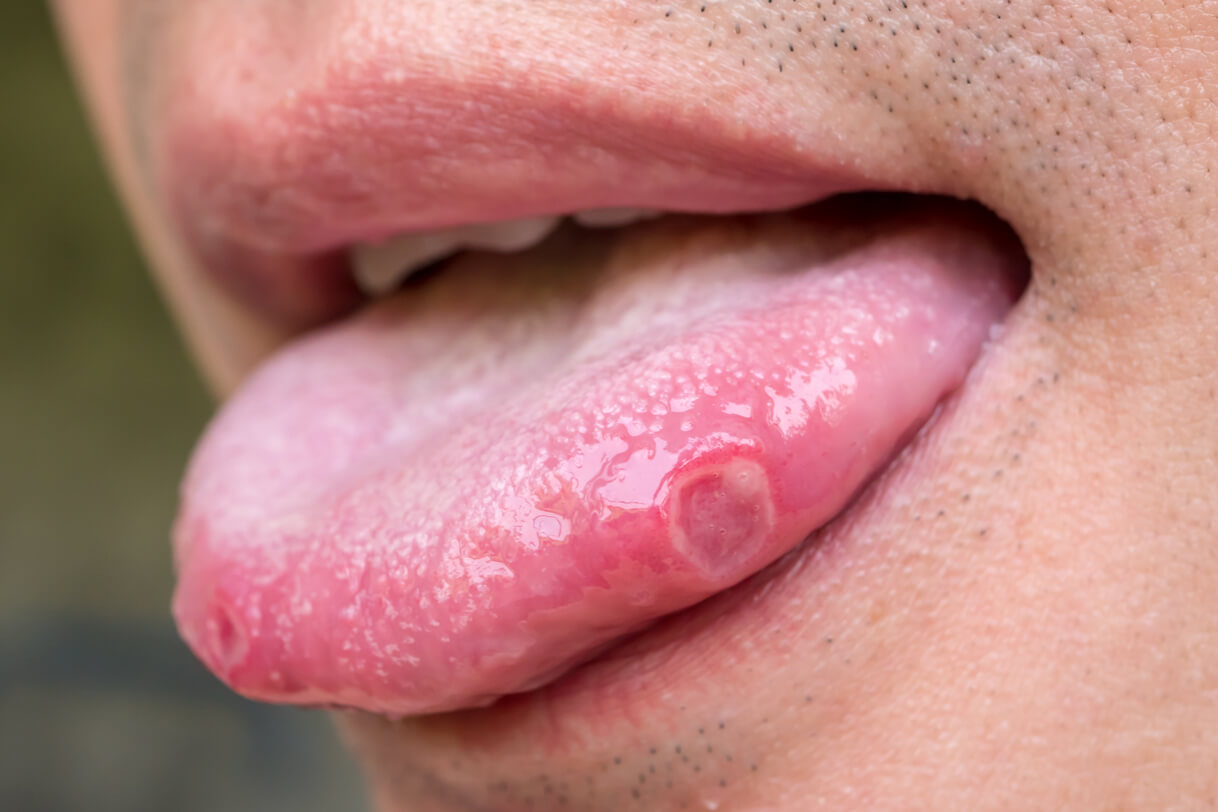
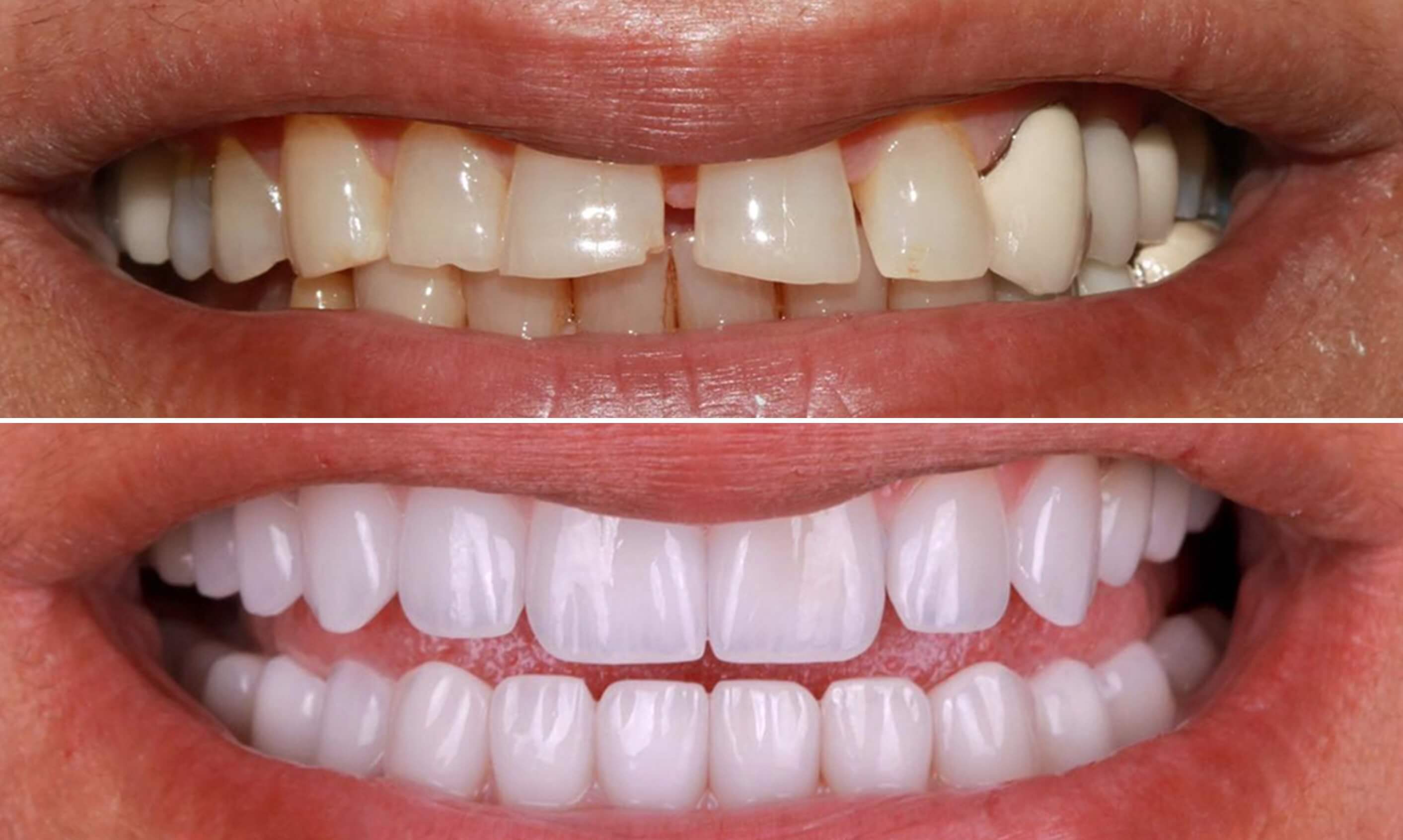
Painful open exits inside the mouth on the sides of the gums (see photo).
Pain from tooth abscess can stop if the tooth nerve dies as a result of injury. This does not mean that the infection has healed, because the inflammation persists as it extends to damage gum tissue. So if you have any of the above symptoms, it is important to see your dentist as soon as possible, even if you feel that the pain of your teeth has diminished.
2
What are the symptoms of tooth abscess?
Dental abscess is accompanied by severe, persistent and persistent pain or severe and sudden pain. Other symptoms resulting from tooth abscess include:
Bitter taste in the mouth
It smells like a bad breath.
Swelling and redness of the gums
Fever
Pain when chewing
Dental allergy against cold or hot beverages or foods
Swelling of the neck glands
Discomfort, anxiety, general discomfort, or fatigue
Swelling of some areas of the upper or lower jaw
Painful open exits inside the mouth on the sides of the gums (see photo).
Pain from tooth abscess can stop if the tooth nerve dies as a result of injury. This does not mean that the infection has healed, because the inflammation persists as it extends to damage gum tissue. So if you have any of the above symptoms, it is important to see your dentist as soon as possible, even if you feel that the pain of your teeth has diminished.
3
How is dental abscess diagnosed?
Your dentist will check your tooth abscess with a medical tool and examine the gums around your teeth. If your tooth is infected, you will suffer when your doctor knocks on your tooth. Your doctor will also ask you if the pain you feel increases as your mouth closes tightly or when eating. In addition, your doctor may suspect that you have a tooth abscess for swelling or redness of your gums.
Your dentist can diagnose your condition using an X-ray to investigate the presence of erosion of the tooth bones surrounding the abscess.
Can an abscess be treated by taking medications without going to the dentist?
Antibiotics prescribed by the dentist contribute significantly to the fight against inflammation. But this treatment is my time because it does not remove the cause of the abscess, but reduces its severity. But after a few days of discontinuing antibiotics, the abscess and the accompanying pain will come back. Analgesics and warm and salty water can be used to relieve the pain and discomfort associated with tooth abscess, but all of these things are analgesics and do not address the root of the problem.
How to treat tooth abscess?
Dental abscess treatment aims to rid the patient of inflammation, to maintain the tooth and prevent any health complications as a result of abscess.
Getting rid of the tooth abscess needs to be drained. This is done in one of the following ways:
1. Treatment of inflamed tooth nerve. The tooth can then be covered with the crown (the tooth infected with the crown is worn for restoration or reconstruction).
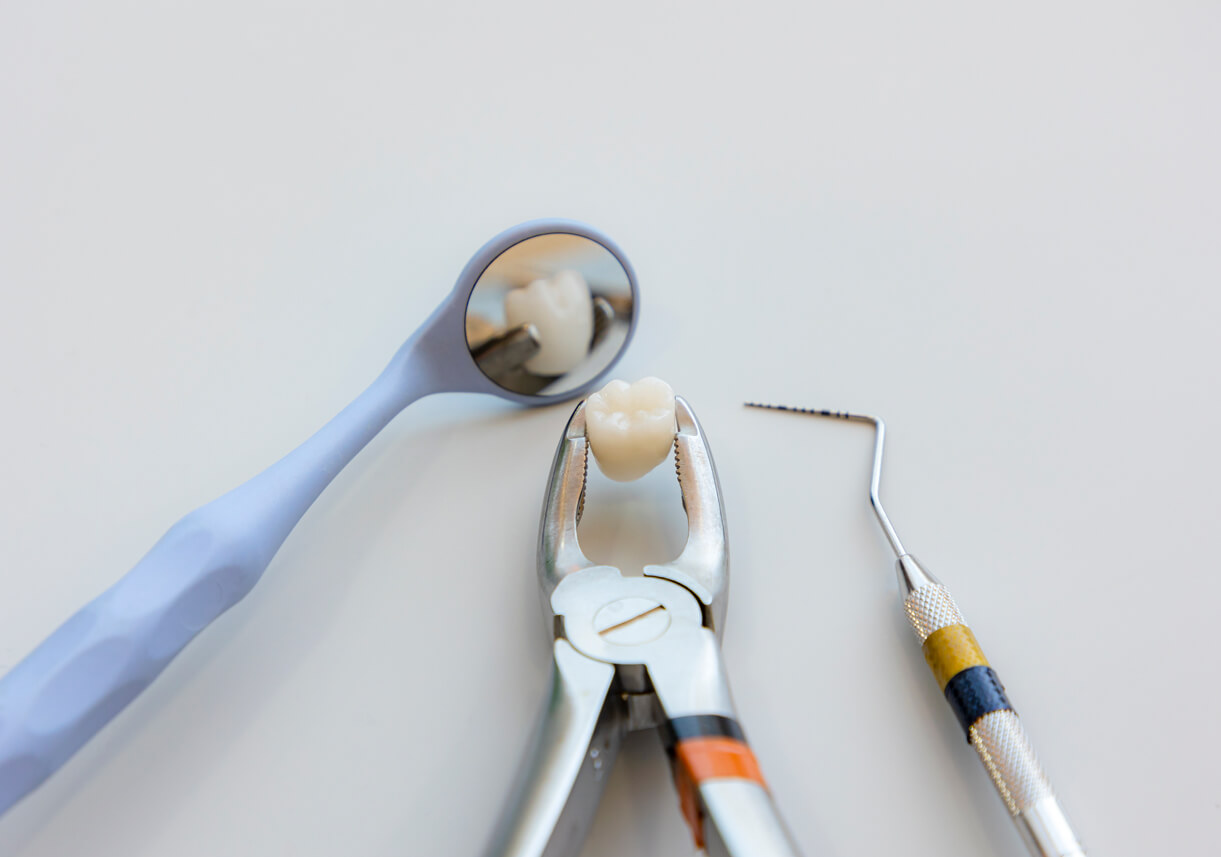
2. The tooth can be removed from its roots, which facilitates the discharge of the abscess through the vacuum formed after dislocation.
3. Swollen gum tissue can be cut at age to reach and discharge the abscess.
Antibiotics prescribed by your dentist contribute to the fight against inflammation. Analgesics and warm and salty water can be used to relieve the pain and discomfort associated with tooth abscess.
4
How is dental abscess diagnosed?
Your dentist will check your tooth abscess with a medical tool and examine the gums around your teeth. If your tooth is infected, you will suffer when your doctor knocks on your tooth. Your doctor will also ask you if the pain you feel increases as your mouth closes tightly or when eating. In addition, your doctor may suspect that you have a tooth abscess for swelling or redness of your gums.
Your dentist can diagnose your condition using an X-ray to investigate the presence of erosion of the tooth bones surrounding the abscess.
Can an abscess be treated by taking medications without going to the dentist?
Antibiotics prescribed by the dentist contribute significantly to the fight against inflammation. But this treatment is my time because it does not remove the cause of the abscess, but reduces its severity. But after a few days of discontinuing antibiotics, the abscess and the accompanying pain will come back. Analgesics and warm and salty water can be used to relieve the pain and discomfort associated with tooth abscess, but all of these things are analgesics and do not address the root of the problem.
How to treat tooth abscess?
Dental abscess treatment aims to rid the patient of inflammation, to maintain the tooth and prevent any health complications as a result of abscess.
Getting rid of the tooth abscess needs to be drained. This is done in one of the following ways:
1. Treatment of inflamed tooth nerve. The tooth can then be covered with the crown (the tooth infected with the crown is worn for restoration or reconstruction).
2. The tooth can be removed from its roots, which facilitates the discharge of the abscess through the vacuum formed after dislocation.
3. Swollen gum tissue can be cut at age to reach and discharge the abscess.
Antibiotics prescribed by your dentist contribute to the fight against inflammation. Analgesics and warm and salty water can be used to relieve the pain and discomfort associated with tooth abscess.
5
How to avoid tooth abscess?
Following oral and dental hygiene guidelines protects the risk of caries or gum disease that leads to tooth abscesses. If your teeth are hit externally (for example, when the blow affects the tooth and becomes moving or broken), check with your dentist as soon as possible to avoid problems before they occur.
6
How to avoid tooth abscess?
Following oral and dental hygiene guidelines protects the risk of caries or gum disease that leads to tooth abscesses. If your teeth are hit externally (for example, when the blow affects the tooth and becomes moving or broken), check with your dentist as soon as possible to avoid problems before they occur.
7
How to avoid tooth abscess?
Following oral and dental hygiene guidelines protects the risk of caries or gum disease that leads to tooth abscesses. If your teeth are hit externally (for example, when the blow affects the tooth and becomes moving or broken), check with your dentist as soon as possible to avoid problems before they occur.
8
How to avoid tooth abscess?
Following oral and dental hygiene guidelines protects the risk of caries or gum disease that leads to tooth abscesses. If your teeth are hit externally (for example, when the blow affects the tooth and becomes moving or broken), check with your dentist as soon as possible to avoid problems before they occur.


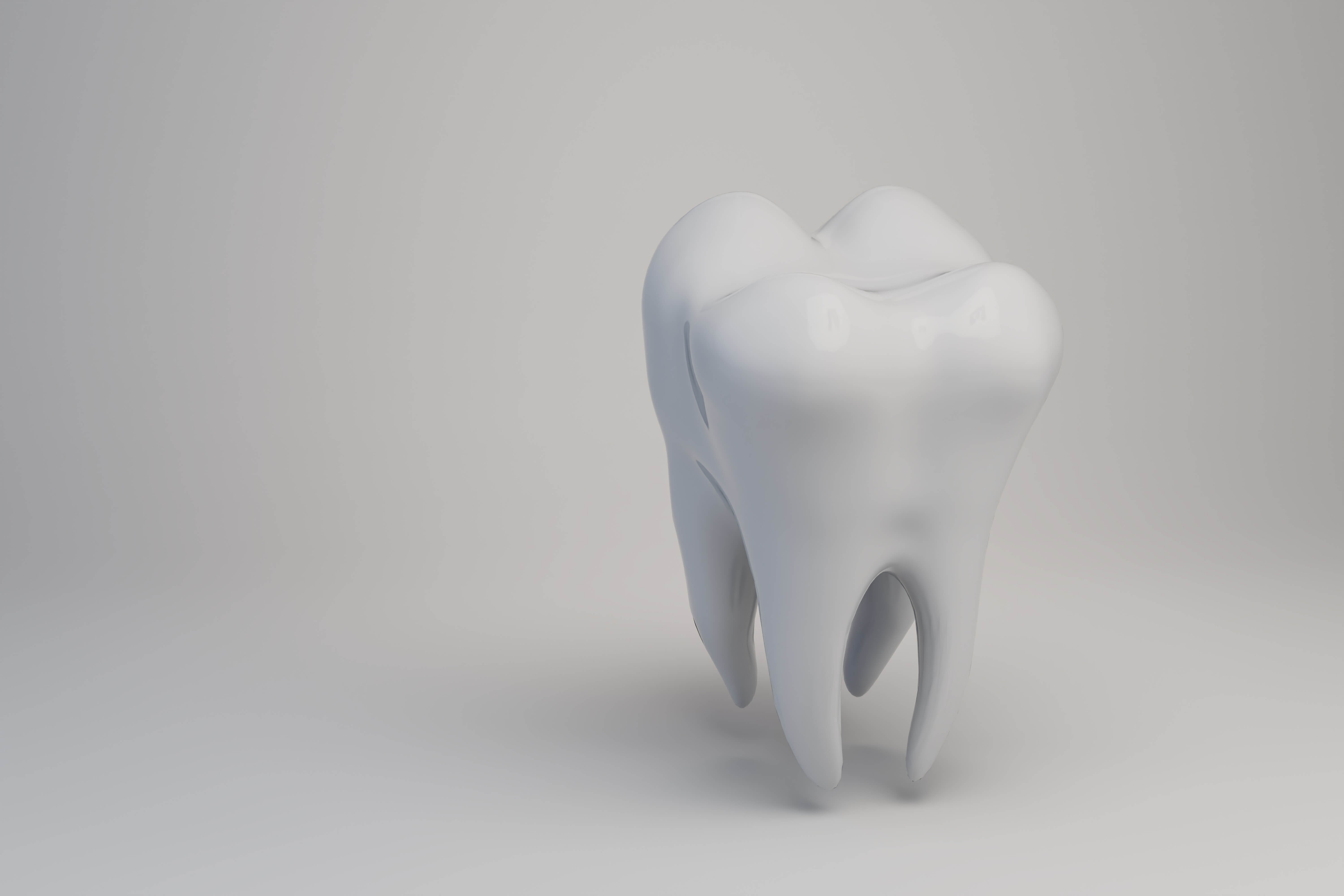
 Dental Problems
Leave a comment