
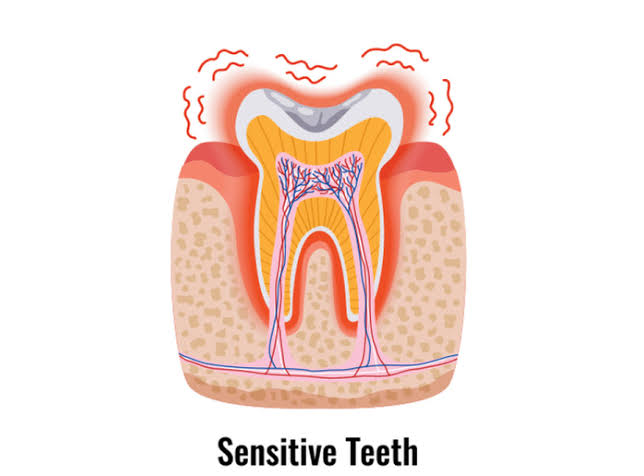
That sudden sting when sipping a cold drink or enjoying something sweet may be more than a minor inconvenience. Understanding the causes of tooth sensitivity can help you protect your smile and find lasting relief.
Have you ever taken a sip of cold water, enjoyed a spoonful of ice cream, or brushed your teeth, only to experience a sudden, sharp pain? You are not alone. Tooth sensitivity is a common dental complaint that can affect one tooth or several, making everyday activities uncomfortable.
Although sensitive teeth are often manageable, the discomfort should not always be ignored. In some cases, it may signal an underlying dental problem that requires professional attention.
What causes sensitive teeth?
To understand tooth sensitivity, it helps to know a little about the structure of a tooth. The outer layer, known as enamel, protects the tooth from everyday wear and temperature changes. Beneath it lies dentin, a more sensitive layer containing tiny channels that can transmit sensations toward the tooth's nerve.
When enamel wears down or the gums recede, dentin can become exposed. This may cause a sharp, brief pain in response to hot, cold, sweet or acidic foods and drinks.
Several factors can contribute to this problem, including:
Brushing too hard: Applying excessive pressure or using a hard-bristled toothbrush can contribute to enamel wear and gum recession.
Acidic foods and drinks: Frequent consumption of soft drinks, citrus fruits, fruit juices and other acidic products can gradually erode enamel.
Receding gums: When gum tissue pulls away from the teeth, the roots may become exposed and more sensitive.
Teeth grinding or clenching: Repeated pressure can wear down teeth and contribute to sensitivity.
Tooth decay or cracks: Cavities, damaged teeth and worn fillings can cause discomfort that resembles ordinary sensitivity.
Dental procedures: Some people experience temporary sensitivity following professional cleaning, fillings or teeth-whitening treatments.
Identifying the cause is important because not all tooth sensitivity can be treated with toothpaste alone.
How can you treat sensitive teeth?
The good news is that several approaches can help reduce discomfort. The most appropriate treatment depends on the severity of the symptoms and what is causing them.
1. Choose toothpaste designed for sensitive teeth
Desensitising toothpaste is often a useful first step. Certain ingredients, including potassium nitrate and stannous fluoride, can help reduce sensitivity through different mechanisms.
Use the toothpaste regularly according to its instructions. Relief may take several applications or a few weeks of consistent use. However, if a cavity or cracked tooth is responsible, special toothpaste will not correct the underlying problem.
2. Use a soft-bristled toothbrush
Brushing harder does not necessarily clean teeth better. A soft-bristled toothbrush and gentle, circular movements can help protect enamel and gums while removing plaque effectively.
Brush twice daily with fluoride toothpaste and clean between your teeth every day.
3. Reduce acidic foods and drinks
Frequent exposure to acidic products can weaken enamel over time. Try to limit fizzy drinks, acidic juices and frequent snacking on acidic foods.
Drinking water after consuming acidic products may help clear away some of the acid. Avoid brushing immediately afterwards; wait at least 60 minutes to reduce the risk of further enamel wear.
4. Be careful with whitening products
Some whitening toothpastes, strips and professional whitening treatments can temporarily increase sensitivity. If you already experience discomfort, discuss suitable whitening options with your dentist before starting treatment.
5. Seek professional dental treatment
If sensitivity persists, a dentist can examine your teeth and gums to identify the cause. Depending on the findings, treatment may include fluoride varnish, professional desensitising products, protective bonding over exposed areas, fillings for cavities or treatment for gum disease.
If grinding is contributing to the problem, a dentist may recommend a custom-made night guard.
When should you see a dentist?
Occasional, brief sensitivity may improve with appropriate oral care. However, it is important to arrange a dental examination if the pain is severe, persistent, worsening, or concentrated in one tooth.
Pain that continues after the hot or cold stimulus has disappeared may indicate a problem beyond ordinary tooth sensitivity. Swelling, fever, or significant pain also requires prompt dental assessment. Facial swelling accompanied by difficulty breathing or swallowing requires emergency medical care.
Early diagnosis can help prevent a manageable problem from developing into a more serious one.
Can sensitive teeth be prevented?
Although not every case can be prevented, simple daily habits can help reduce the risk.
Brush twice a day using fluoride toothpaste and a soft-bristled toothbrush.
Avoid aggressive brushing and excessive pressure.
Limit frequent exposure to acidic foods and drinks.
Wait at least an hour before brushing after acidic foods or beverages.
Keep up with routine dental check-ups.
Leave a comment