

1
Is there a relationship between diabetes and gum disease?
2
How is this relationship achieved?
3
How a diabetic can avoid gum and tooth disease?
- Controlling blood sugar is one of the most important preventive factors
- Take care of the cleanliness of your teeth and gums and visit the dentist every 6 months.
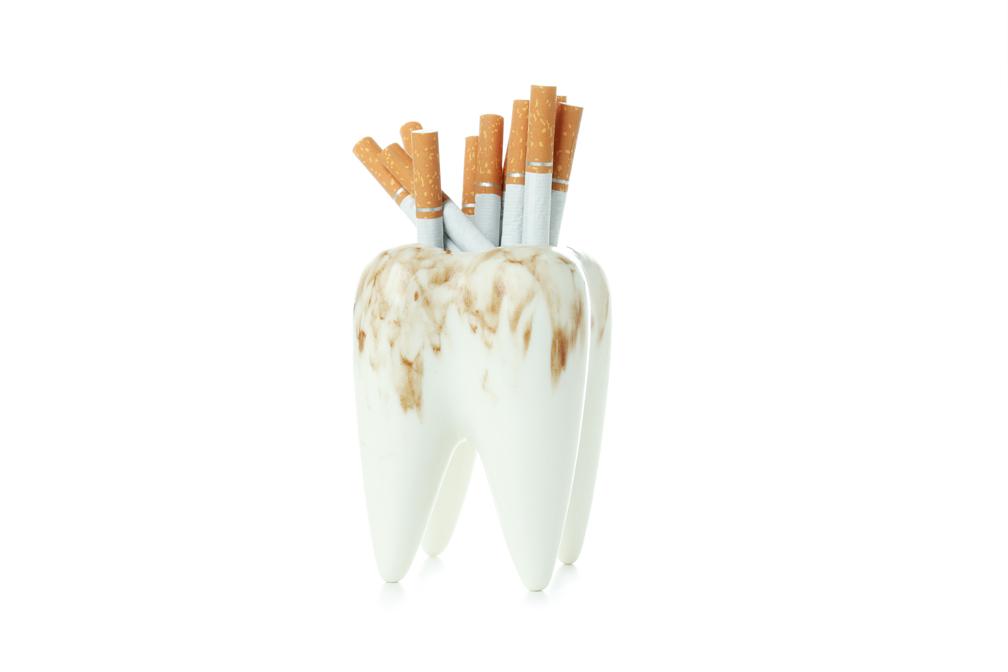
- Refrain from smoking.
- Remove and clean dentures daily, if used.
4
What is the importance of salivary glands for oral and dental health?
Saliva helps wash the mouth and rid it of fine food particles. It also plays an important role in maintaining oral moisture. Lack of saliva in the mouth contributes to the growth of bacteria. Dry mouth is a common condition among people with diabetes and cancer, especially those undergoing treatment with radiation in the head and neck. Persistent dry mouth damages thin oral tissues and usually causes severe pain as a result of inflammation and irritation. It also plays a major role in increasing the chances of tooth decay and inflammation of the teeth-supporting gum tissue.

 Physical Health And Dentistry



Leave a comment