
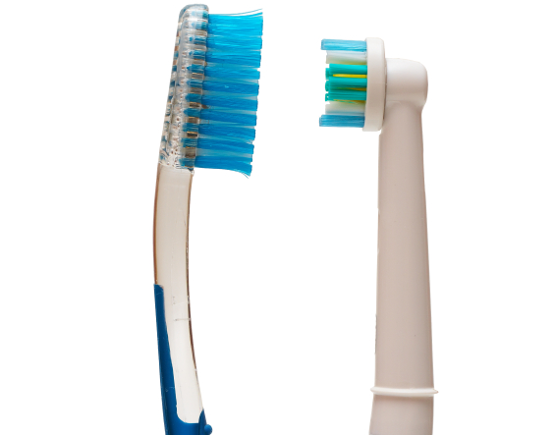
Is an electric toothbrush really better, or is your regular toothbrush doing just fine?
Brushing your teeth is one of the most important steps in maintaining a healthy smile. But with so many toothbrush options available today, one question continues to come up: Should you use a manual toothbrush or switch to an electric one?
At Asnan Tower, we believe that understanding your oral care options is the first step toward better dental health. Let's explore the differences, benefits, and considerations to help you decide which toothbrush is right for you.
The Manual Toothbrush: Simple but Effective
The manual toothbrush has been a trusted part of daily oral hygiene for generations. It's affordable, easy to use, and widely available.
Advantages of a manual toothbrush:
Easy to carry: Lightweight and convenient for travel.
Full control: Allows you to control brushing pressure and movement.
Effective: Can remove plaque successfully when used with the correct brushing technique.
Things to consider:
Manual toothbrushes require proper technique and consistent effort. Brushing too aggressively can irritate your gums, while brushing too quickly may leave plaque behind.
The Electric Toothbrush: Technology for a Healthier Smile
Electric toothbrushes use powered movements, such as rotating, oscillating, or vibrating, to help clean tooth surfaces.
Research suggests that electric toothbrushes can offer an advantage in reducing plaque buildup and gum inflammation compared with manual toothbrushes.
Advantages of an electric toothbrush:
Improved plaque removal: Powered brushing movements can help remove plaque more effectively.
Built-in timers: Many models encourage brushing for the recommended two minutes.
Pressure sensors: Some models alert you when you're brushing too hard.
Easier brushing: Helpful for people with braces, limited hand mobility, or difficulty maintaining proper brushing technique.
Convenience: The powered movement reduces the need for repetitive manual brushing motions.
Things to consider:
Electric toothbrushes require charging or batteries, and need replacement brush heads. They also require proper technique, so switching to an electric toothbrush doesn't automatically guarantee healthier teeth.
What Does Science Say?
Scientific research has found that electric toothbrushes can provide additional benefits for oral hygiene.
A Cochrane review involving thousands of participants found that powered toothbrushes reduced plaque and gingivitis more than manual toothbrushes over the periods studied.
However, these findings don't mean that manual toothbrushes are ineffective.
The quality of your brushing technique, how consistently you brush, and the use of fluoride toothpaste are all essential to maintaining healthy teeth and gums.
Leave a comment