
1
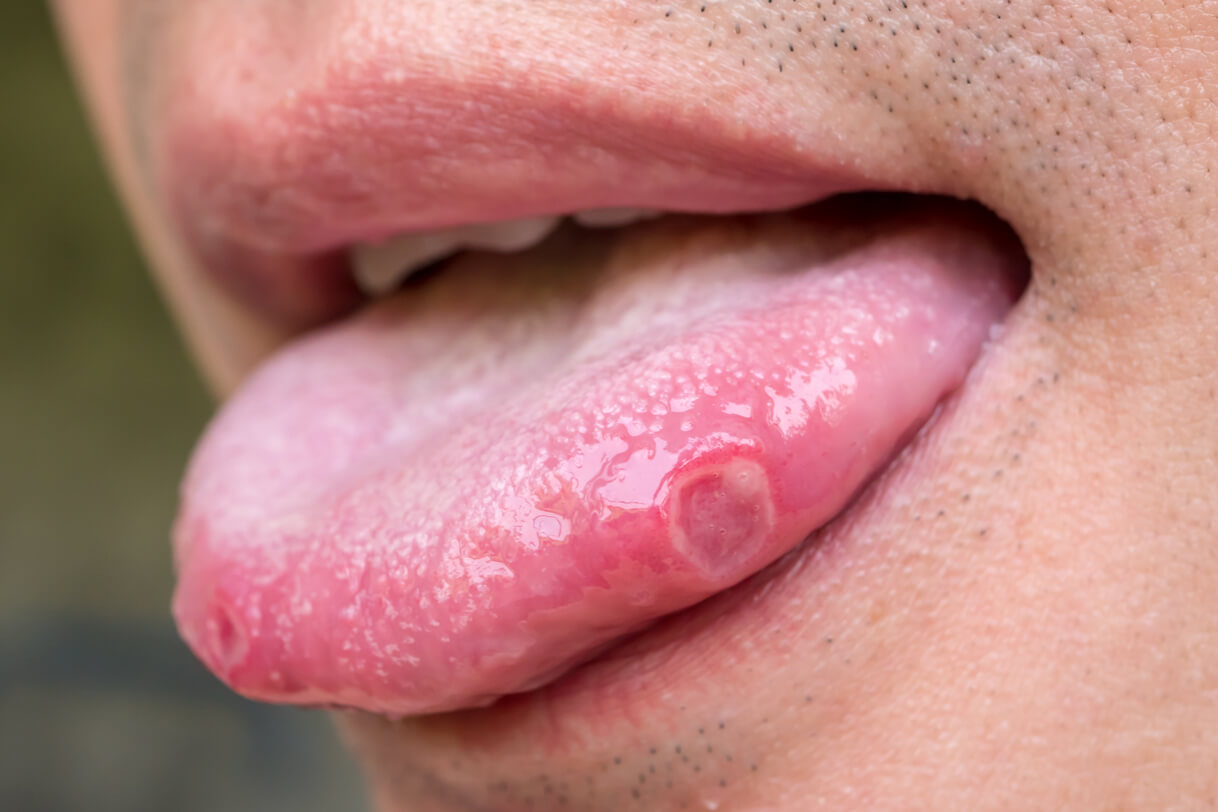
What are the types of mouth ulcers?
There are two types of mouth ulcers
- Simple mouth ulcers: This type of ulcer may appear in the mouth three to four times a year and the ulcer lasts for about a week. Simple mouth ulcers often affect people between 10 and 20 years of age, but can also affect children and adults.
- Complex mouth ulcers: This type is less common than the other and is often infected with other physical diseases.
What are the causes of mouth ulcers?
The cause of most minor mouth ulcers is not yet known. However, some specialists have worked hard to determine the causes of the infection, as follows:
- Neglecting oral and dental hygiene
- Psychological stress
- Gum and mouth tissue wounds
- Eat large amounts of sweets
- Some types of foods such as spices, vegetables or citrus fruits (e.g. lemon, orange, pineapple, apple, figs, tomatoes and strawberries) contribute to the appearance of mouth ulcers or may be a factor in exacerbating the problem.
- Use some analgesics such as: Morten
- Sometimes sharp tooth surfaces or dentures may injure the gums and thus cause mouth ulcers.
For complex oral ulcers:
- Weakness in the immune system
- Nutritional problems such as vitamin deficiency B-12, zinc, folic acid and iron
- Diseases of the gastrointestinal tract
2
 Dental Problems



Leave a comment