
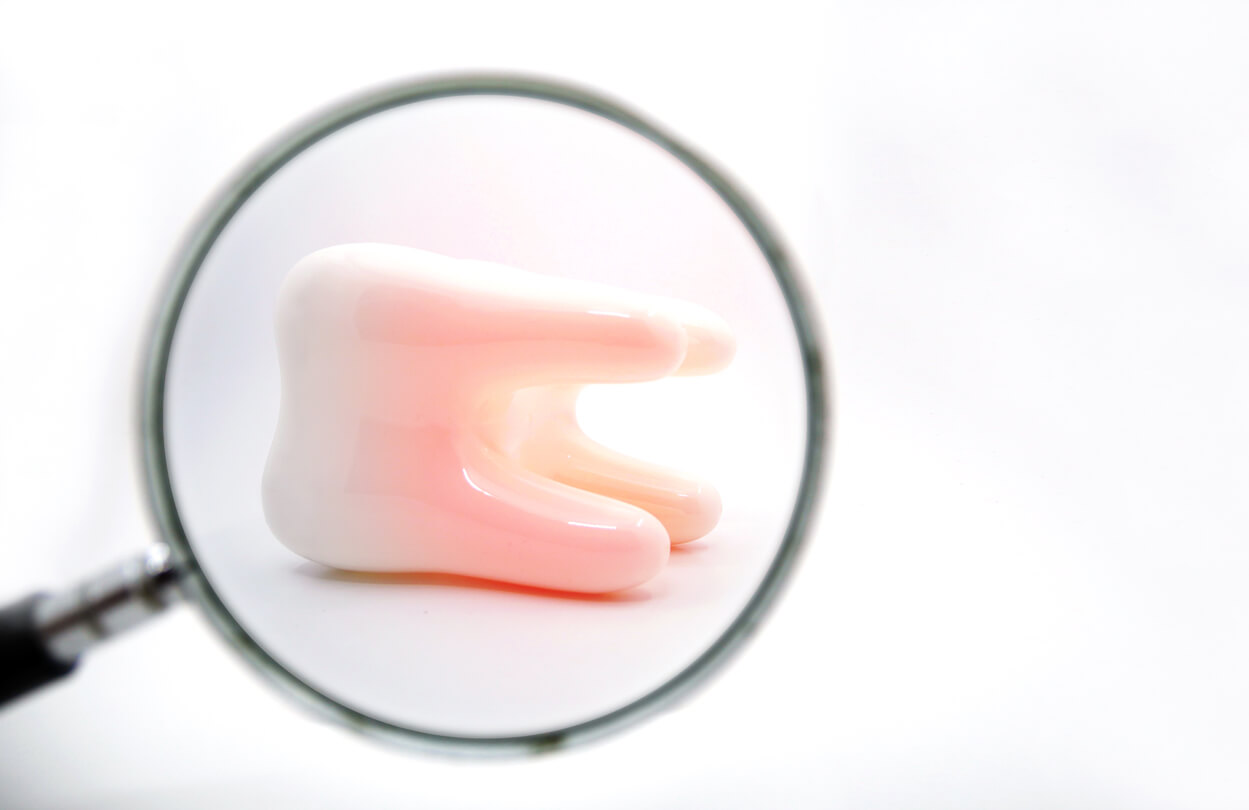
Reasons for yellow or discoloration of teeth from normal white
Food and drink: Food and beverages that contribute to tooth change:
- Coffee
- Tea
- Cola
- Liquor
Use of tobacco products: smoking cigarettes and chewing tobacco products.
Lack of dental health care: Not brushing and flossing properly to remove plaque, coffee or tobacco from the teeth that change the color of the teeth.
Some diseases, Under these diseases are:
- Diseases that negatively affect the enamel layer (the outer layer that gives hardness to the teeth). Some diseases also affect the ivory of the tooth (the sublayer of the tooth below the enamel layer) and in all cases lead to tooth discoloration.
Some treatments or methods of detecting diseases may contribute to tooth discoloration, such as:
- Radiation used for head and neck
- Chemotherapy
- Certain infections affect the expectant mother, which negatively affects the stages of the formation of the enamel layer in her fetus and that underdeveloped layer.
Genetic factors: People vary in the thickness and color of the enamel layer depending on the nature of their teeth and their composition or by different genetic factors. The thicker the enamel layer the thicker the yellowing teeth will yellow.
Environmental factors: excessive use of fluoride, both from environmental sources (e.g. high rates of fluoride in drinking water) and from fluoride-containing products (e.g. those in toothpaste, mouthwash and additional mouth extensions) that contribute in all cases to tooth decay.
 Dental Problems

Leave a comment