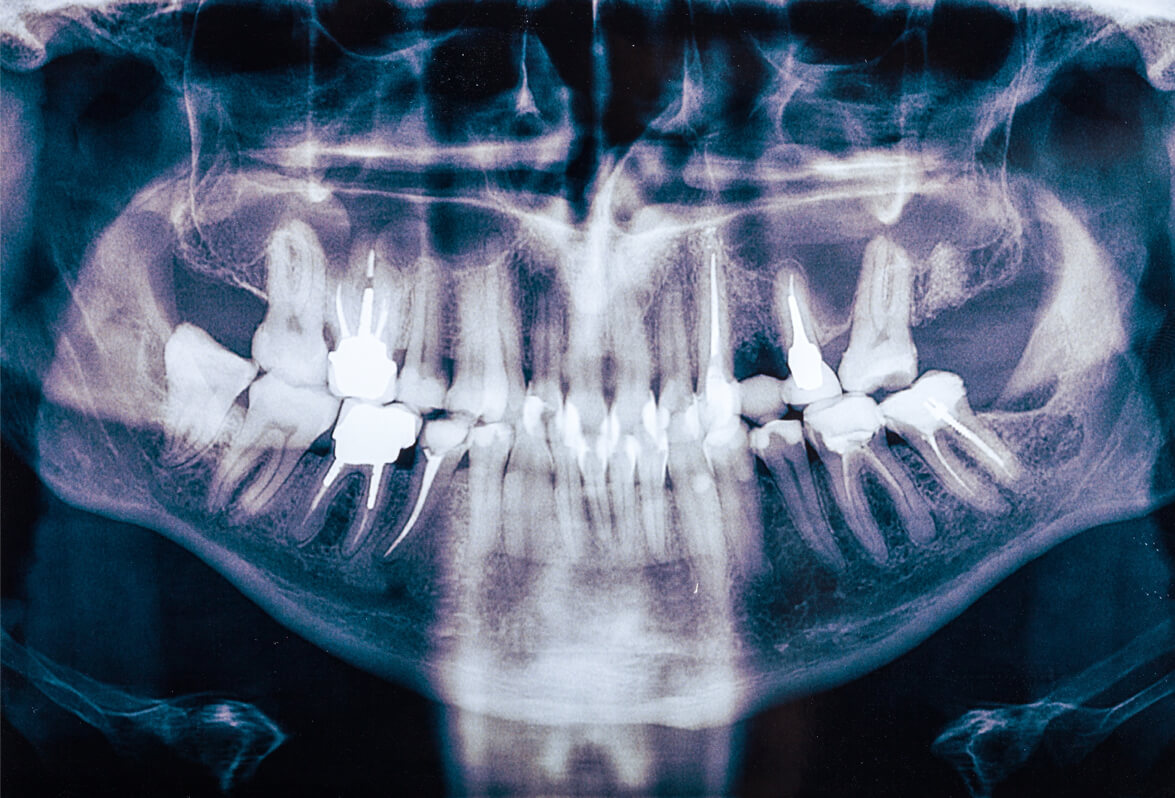
1. What are the causes of tooth congestion?
Most cases of tooth crowding and the appearance of one or both jaws are genetic, such as when you inherit the color of your eyes from a family member or when you inherit the size of your hand.
- Loss of some teeth at an early stage in the child's or adult's life may be one of the causes of tooth congestion and bite asymmetry.
- An error in performing a dental restoration, for example: (filling or crown)
- The jaw is not wide to accommodate all the teeth that stand out.
- Periodontal infections.
- Excessive or excessive pressure on the teeth and gums.
- Severe facial injuries may be a factor in the asymmetry of the bite.
- Oral and jaw tumors.
- Practice some habits that harm the health of the mouth and teeth and which children suffer as a thumb sucker, push the tongue, the child continues to use a lollipop or bottle of milk even after the age of three.
2. What are the health problems caused by tooth congestion and bite asymmetry?
Your dentist can detect tooth congestion and maxillary asymmetry by performing some medical examinations of your mouth, jaw, and facial appearance.
Other indicators your doctor is looking for include:
- Inconsistency of the characteristics of the teeth.
- Abnormal facial appearance (especially at the mouth area).
- Difficulty chewing or biting food.
- Difficulty to speak, including gum.
- Your dentist usually refers you to an orthodontist (who specializes in diagnosing and treating tooth congestion and maxillary asymmetry).
What tests will be performed by the orthodontist?
- X-rays: Helps provide information about the location of the teeth and their roots under the gums, as well as the appearance of any teeth above the gums. Comprehensive X-rays show the relationship between the teeth and jaws and between the jaws and the head.





Leave a comment