
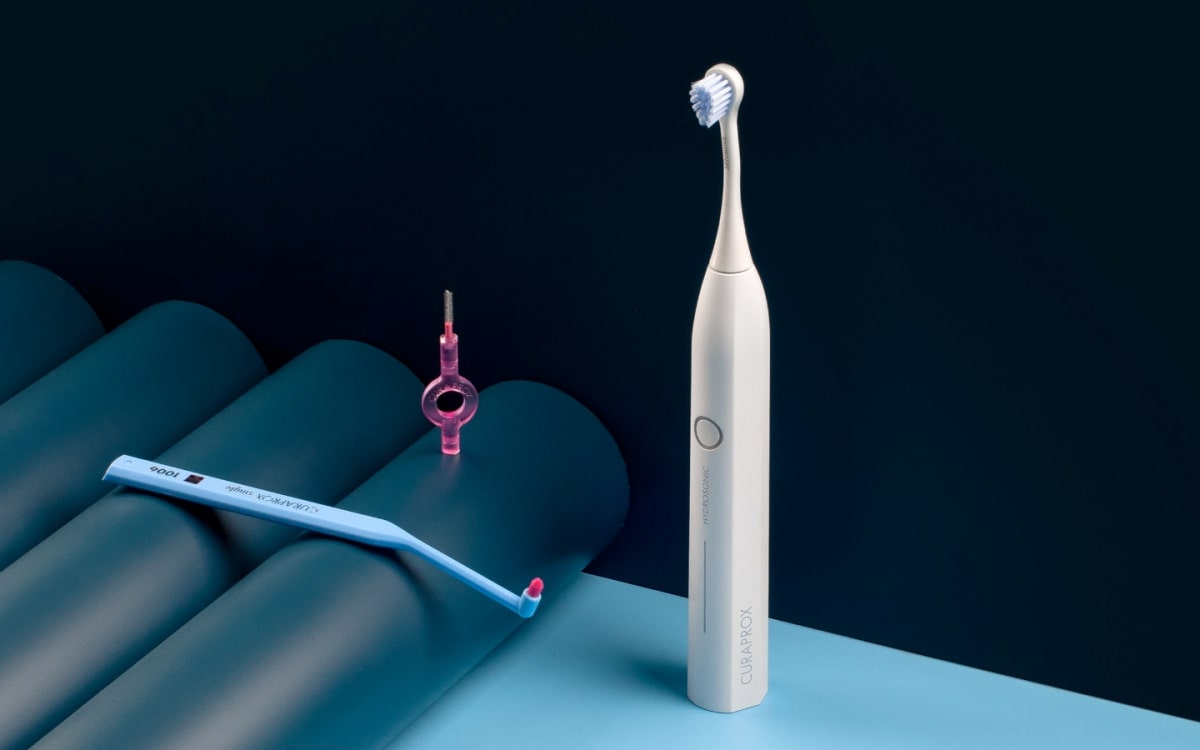
Both electric and manual toothbrushes can clean your teeth effectively when used correctly for two minutes. However, an electric toothbrush may make plaque removal easier and help you maintain a more consistent brushing routine, especially if you have limited hand movement or tend to brush too hard.
Ultimately, technique and brushing time matter more than the type of toothbrush. A manual toothbrush used correctly for two minutes is better than an electric one used carelessly for 30 seconds. The American Dental Association recommends brushing twice daily for two minutes using a soft-bristled toothbrush and fluoride toothpaste.
Benefits of an Electric Toothbrush
Easier cleaning: The powered movement helps remove plaque with less effort.
Built-in timer: Most models help you complete the recommended two minutes.
Pressure sensor: Some brushes alert you or slow down if you press too hard.
Helpful for limited mobility: It can make brushing easier for older adults and people with reduced hand movement.
More engaging for children: The movement and timer may encourage better brushing habits.
A smoother feeling: Your teeth may feel noticeably cleaner after brushing.
Are There Any Disadvantages?
Electric toothbrushes and replacement heads cost more.
They require charging or replacement batteries.
They can be less convenient when travelling.
Incorrect use or excessive pressure may irritate the gums.
They do not replace flossing or interdental cleaning.
How Long Should You Brush?
Brush twice daily for two minutes each time, whether you use an electric or manual toothbrush. Two minutes gives you enough time to clean every tooth surface thoroughly.
Divide your mouth into four sections and spend approximately 30 seconds cleaning each one.
How to Use an Electric Toothbrush Correctly
Choose a soft-bristled brush head that fits comfortably in your mouth.
Use fluoride toothpaste.
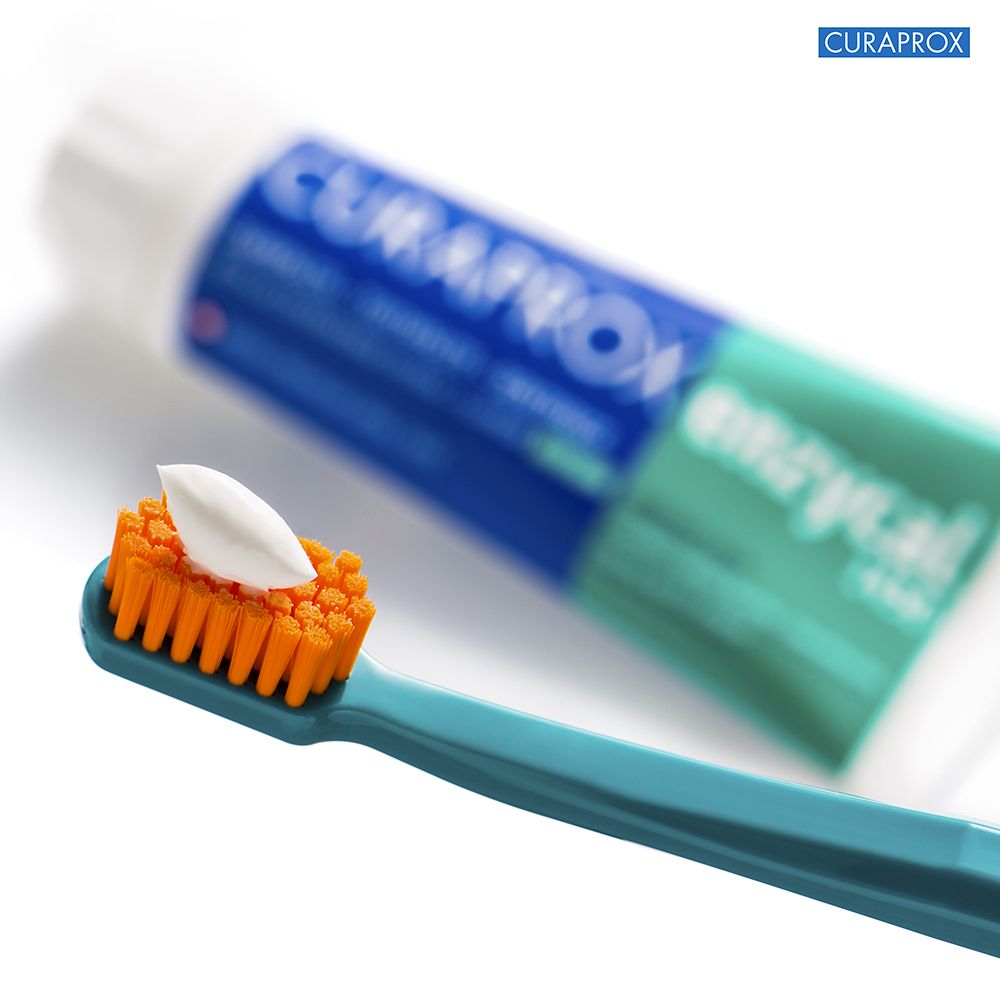
Apply a small amount of toothpaste and place the brush in your mouth before switching it on.
Position the bristles at approximately a 45-degree angle toward the gumline.
Guide the brush slowly from tooth to tooth, cleaning the outer, inner, and chewing surfaces.
Avoid scrubbing or pressing too hard—let the brush do the work.
Continue brushing for two minutes.
Spit out the toothpaste without rinsing immediately, allowing the fluoride to remain on your teeth longer.
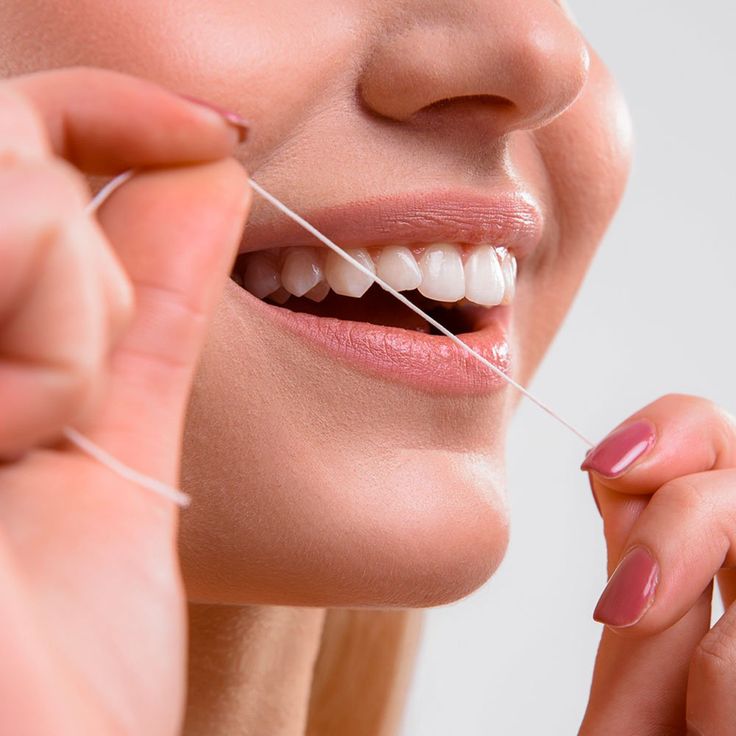
Clean between your teeth once daily using floss or interdental brushes.
Brushing instructions may vary slightly depending on the brush head, so follow the manufacturer’s guidance or ask your dentist for personalized advice.
The Bottom Line
An electric toothbrush is not automatically better for everyone, but it can make brushing easier and more consistent. Whichever type you choose, use soft bristles, brush correctly for two minutes twice daily, and clean between your teeth every day.

 FAQs
FAQs


Leave a comment